
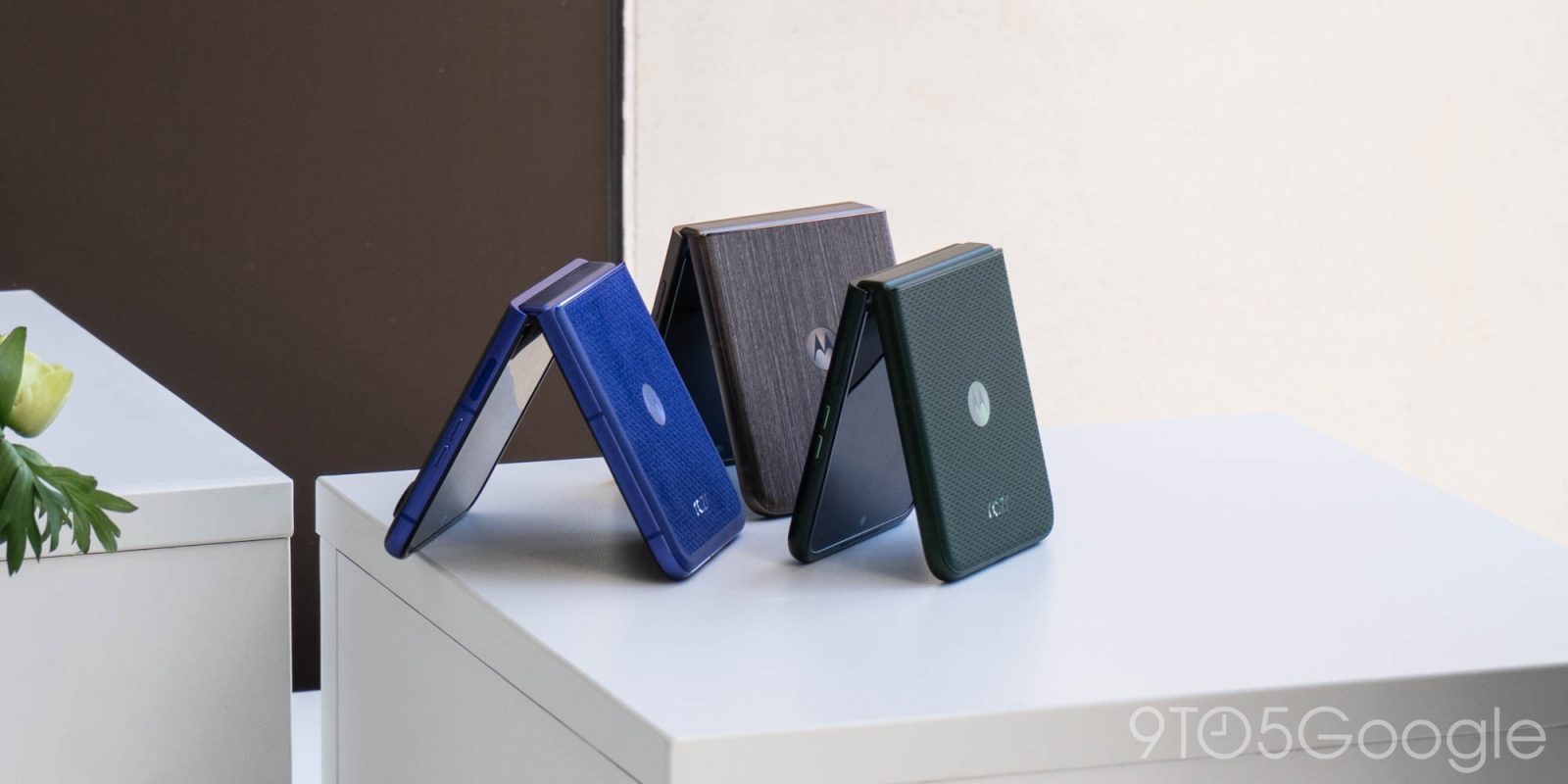
Motorola is refreshing all three of its Razr models for 2026, but outside of some new — and, as you’d expect, more expensive — prices, there actually isn’t much here that’s been properly upgraded. Considering the strength of last year’s lineup, that’s not necessarily a bad thing on its face, especially if you’re looking to jump head-first into the world of clamshell foldables. But if you’re wondering whether it’s worth skipping these new models in favor of deal-hunting on Motorola’s 2025 series, here’s what’s actually new with the 2026 Razr series.
Motorola’s flagship Razr Ultra plays the hits, but it’ll cost you
Let’s begin with the device Motorola probably prefers all of its customer base purchase: the flagship Razr Ultra. This third, more premium tier was a fresh addition last year, bringing improved performance, brighter displays, and an eye-catching wood finish that won over just about everyone in the tech press (except yours truly). It was the leap forward we had hoped to see arrive on the Razr+, Moto’s previous flagship foldable tier, but instead, that device took a generation off, reselling the exact same 2024 experience for an identical price.
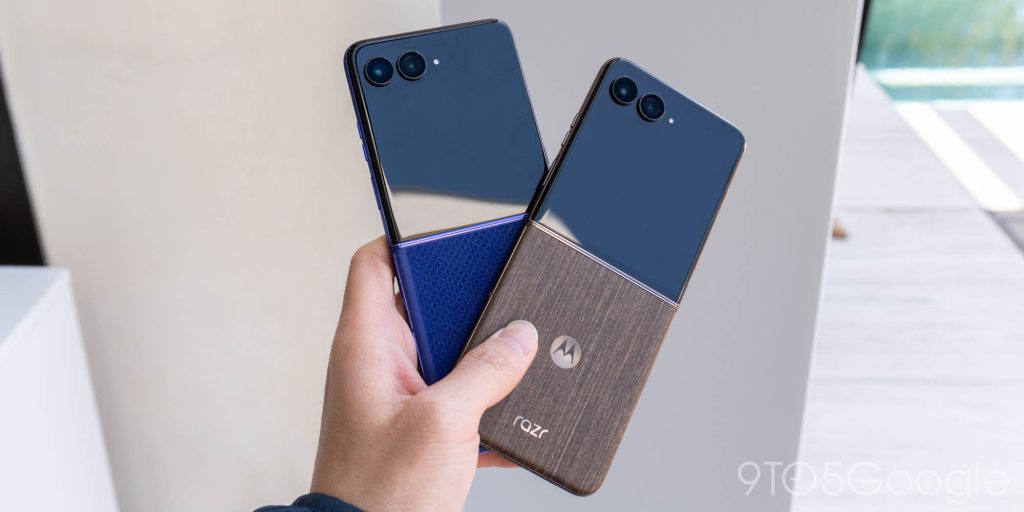
For whatever you can say about the Razr Ultra (2026), it’s certainly not doing that; this time, the price is much more expensive.
The most prominent “new” aspect to this year’s Razr Ultra is its $1,500 price tag. That’s up $300 from last year’s starting price and makes for a whopping $700 price increase to the discounted price Motorola’s previous Razr flagship held as recently as this week (for the 1TB model, no less). Obviously, that inflation likely arrives as a response to the ongoing RAM crisis spreading throughout the industry, and it’s definitely not the only price increase you’re going to see referenced in this article.
If you’re wondering why I’m focusing so much on the pricing of this phone, it’s because there’s not much else to focus on. The battery gets a boost up to 5,000mAh from 4,700mah, and it features a pair of new colors and finishes: an “Orient Blue” shade featuring Alcantara textures, and a “Cocoa” shade that pairs last year’s wood-esque style with a darker brown tone. Oh, and Motorola has dropped the 1TB model that, to reiterate, was discounted through the company’s own website for just $800, complete with a free pair of earbuds, earlier this week.
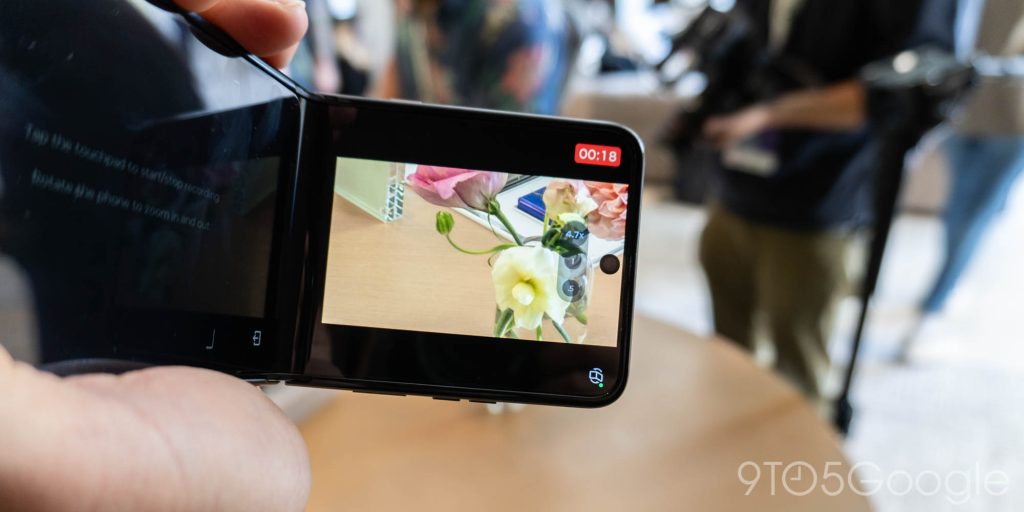
Dig deep enough in the specs sheets and you’ll catch a couple of other minor differences, including a swap to Gorilla Glass Ceramic 3 on the outer 4.0-inch display over last year’s standard Gorilla Glass Ceramic, as well as the addition of LOFIC to its main 50MP sensor (which otherwise keeps identical specs to last year). This also isn’t factoring in a couple of new enhancements Motorola has added to its in-house take on Android 16, including a rotation gesture for zooming while in camcorder mode that could be pretty cool. But if you had hopes for a slimmer chassis, a more powerful processor, or anything else that could meaningfully improve this hardware, it’s just not here this year. Definitely wait for a discount.
This is the third time Motorola’s launched this near-identical Razr+
Let’s move onto the Razr+. Motorola skipped out on introducing any changes with this model beyond new finishes last year, naturally pushing consumers either up or down market or towards the near-identical 2024 model. Surely, though, Moto wouldn’t keep the same core device around for a third year, right?
Wrong! The Razr+ (2026) is nearly unchanged from its two direct predecessors, with identical 6.9-inch and 4.0-inch displays, an identical two-year-old Snapdragon 8s Gen 3 processor, the same storage and RAM configurations — you get the picture. Once again, what’s new here is easy to summarize: this year’s Razr+ has a larger 4,500mAh battery and now comes solely in a green “Mountain View” color, complete with a “woven-inspired jacquard finish.” It makes the jump to Gorilla Glass Victus on the front panel, and ditches its telephoto lens for a 50MP ultrawide shooter to better match the other two models. Oh, and the price tag goes up $100 to $1,099.
Again, a near-identical phone to this launched two years ago for $999. Buyer beware.
Moto gives the base Razr most of its attention — for better and for worse
Surely, the base model Moto Razr can save us, right? For two generations running, this has been my pick of the bunch. Its typical starting price of $700 is a steal compared to Samsung’s clamshell offerings, and that’s without factoring in Motorola’s often-steep discounts — for the final time, please note the Ultra’s recent $800 sale price. Frankly, I just haven’t seen the benefits to paying anywhere from $300 to $600 more on the higher-tier models compared to the experience you get here, especially since I find that much of that raw horsepower goes wasted on this form factor.
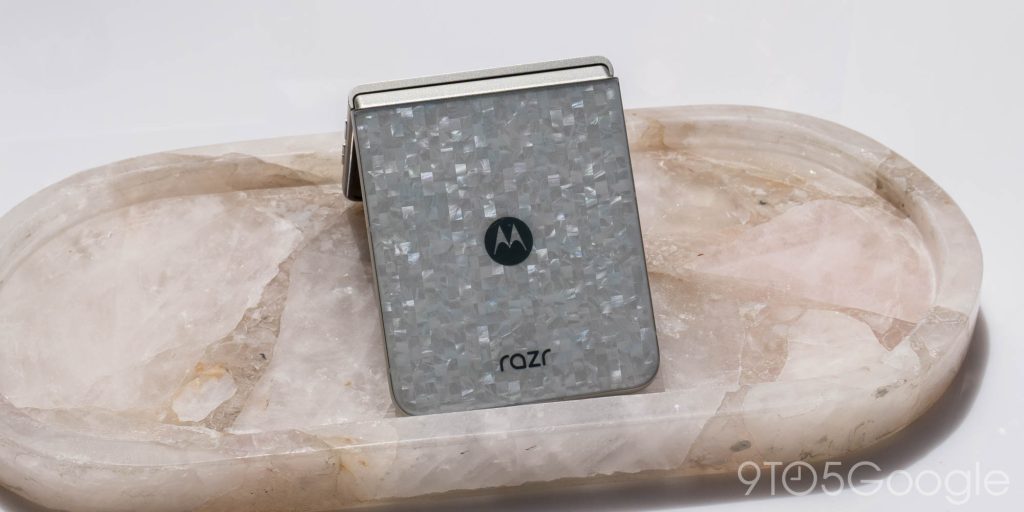
Well, to my delight, the base Moto Razr is the one Motorola’s actually made some noticeable changes on, both for good and for bad. We’re swapping processors from MediaTek’s Dimensity 7400X to the newly-announced 7450X, the ultrawide lens gets a bump up to 50MP from 13MP on last year’s, and that outer 3.6-inch screen now supports 120Hz for smoother performance (alongside its own Victus upgrade). Like its more premium siblings, we’re also seeing battery capacity increase to 4,800mAh, as well as four colors and finishes total: Hematite, Violet Ice, Sporting Green, and Bright White.
But, as I mentioned, not every change this year is a positive one; we’re seeing some sacrifices here, too. Motorola’s dropped the only storage tier available here from 256GB to 128GB, and when we’re talking about non-expandable storage, that’s particularly unfortunate. Judging by the specs sheet, Motorola might have also ditched 120FPS FHD video recording, with this year’s model apparently only including 4K30 and 1080p60. Very strange.
Price hikes always burn, but those caveats — even with a handful of actual upgrades — make the 2026 Razr’s price hurt that much more. Motorola is moving its budget model up to $800, and while I’m sure it’ll be easy enough to catch this one on sale, it certainly has me reserved on any kneejerk recommendations until I can check out the device for myself.
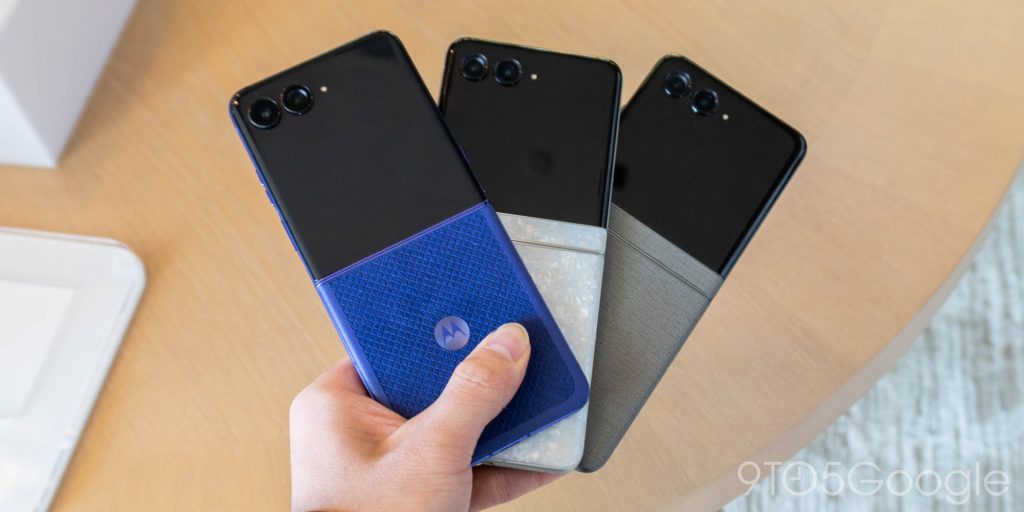
All together, we’re left with three phones that feel virtually unchanged from their predecessors (or their predecessor’s predecessor) aside from higher prices and higher battery capacities across the board. That’s bound to leave something of a bad taste in customer’s mouths, but if you can use this as an opportunity to score a deep discount on last year’s hardware, you’ll still be coming out on top. I’d love to see the smartphone market actually get back to bringing improvements to the table in 2027, but with the market being what it is, I won’t be holding my breath.
Moto’s new Razr lineup launches universally unlocked on May 21st, with pre-orders opening one week earlier through Best Buy, Amazon, and Motorola.com.


FTC: We use income earning auto affiliate links. More.


Comments